
The good news? With a clear plan and organized process, you can handle year-end payroll with confidence and accuracy. This guide walks through the essential steps to close out your payroll efficiently, stay compliant with Texas and federal requirements, and set your business up for a smooth start in the new year.
Why Year-End Payroll Tax Preparation Matters

Year-end payroll isn’t just about closing the books, it’s about ensuring compliance, accuracy, and employee trust. Failing to properly reconcile or report payroll taxes can lead to costly fines from the IRS or the Texas Workforce Commission. Even small discrepancies, such as misreported earnings or missing benefit details, can create significant administrative headaches down the line.
Texas may not have a state income tax, but businesses are still required to handle federal payroll tax filings correctly, including Social Security, Medicare, and federal unemployment taxes. Additionally, employers must keep up with Texas Unemployment Tax (TUT) requirements and wage reporting. These details matter, as accurate year-end reporting reflects your business’s credibility, ensures employees receive the right tax documents, and keeps you in good standing with regulators.
When handled carefully, year-end payroll processing can also serve as a valuable financial checkpoint, offering insights into labor costs, overtime trends, and benefit expenses that can guide budgeting for the year ahead.
Review and Reconcile Payroll Records
Before you start printing W-2s or submitting forms, take time to review and reconcile your payroll records. Accuracy here prevents major issues later.
- Verify Employee Information: Ensure that employee names, Social Security numbers, and addresses are current. Mismatches can delay W-2 filings or cause rejections by the Social Security Administration.
- Check Employee Classifications: Confirm whether workers are correctly categorized as employees (W-2) or independent contractors (1099). Misclassification is a common and costly compliance error.
- Reconcile Payroll Totals: Match your year-to-date totals against quarterly filings (Forms 941 and 940). Double-check gross pay, deductions, and employer contributions for benefits and taxes.
- Review Fringe Benefits: If you provided bonuses, stipends, or non-cash benefits like gift cards or company vehicles, ensure those are included in taxable wages where required.
This reconciliation step helps you identify and correct discrepancies before you file final reports or issue employee tax forms.
Prepare and Distribute W-2s and 1099s
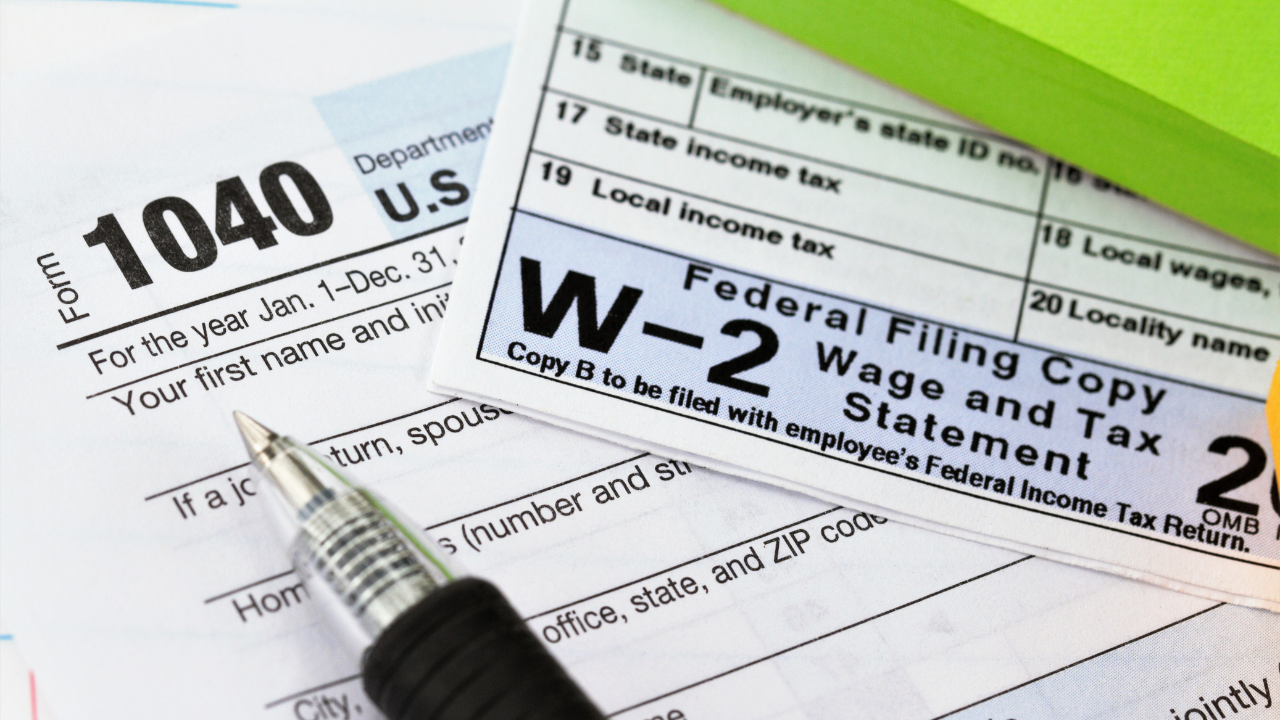
Once payroll data is verified and reconciled, it’s time to prepare and distribute employee tax forms.
- W-2 Forms: Must be issued to employees and filed with the Social Security Administration by January 31. These forms summarize wages earned and taxes withheld for the year.
- 1099-NEC Forms: Used for independent contractors earning $600 or more annually. Businesses must send copies to both the contractor and the IRS by the same deadline.
Accuracy is key, incorrect totals or missing EINs can cause reporting delays or penalties. Consider filing electronically to simplify submission, reduce errors, and get instant confirmation of receipt. If you issue bonuses or commissions in December, process them in time to appear on this year’s W-2s or 1099s, rather than spilling into the next year’s tax records.
Plan for Next Year’s Payroll
Year-end is the perfect time to reflect, reset, and prepare your payroll for the new year. Start by reviewing your current payroll system, are there bottlenecks or manual processes that could be automated? Conducting a year-end payroll audit can help identify areas for improvement, such as updating pay schedules, revising tax withholding forms, or adjusting employee benefits.
It’s also wise to review IRS and Texas Workforce Commission updates for the upcoming year, including new tax rates, wage base limits, or reporting requirements. If you plan to expand your team or offer new benefits, this is the time to update your payroll policies and software settings accordingly.
For many small businesses in Sugar Land, outsourcing payroll can be one of the most effective ways to simplify operations. A trusted HR partner can handle tax filings, compliance updates, and employee payments all while keeping your business focused on growth instead of paperwork.
Common Payroll Mistakes to Avoid
Even the most organized business can make errors during year-end processing. The key is knowing what to look out for:
- Missing Deadlines: Late submission of W-2s or 1099s can lead to IRS penalties. Mark important dates in your calendar and file early whenever possible.
- Employee Misclassification: Treating contractors as employees or vice versa can trigger audits and fines. Review each worker’s classification carefully.
- Incorrect Taxable Income Reporting: Forgetting to include bonuses, benefits, or reimbursements can lead to inaccurate filings and future corrections.
- Outdated Payroll Settings: Failing to adjust tax rates, deductions, or benefit contributions for the new year can result in ongoing errors.
To avoid these pitfalls, double-check all figures, ensure your payroll software is up to date, and, if possible, have a professional review of your records before final submission.
Simplify Year-End Payroll with Expert Support
Closing out the year doesn’t have to feel overwhelming. With a clear process and the right support, Sugar Land businesses can stay compliant, accurate, and confident heading into the new year. Reviewing employee data, reconciling payroll records, and filing forms correctly ensures both compliance and employee trust.
If you’re ready to simplify payroll and eliminate year-end stress, contact The HR Ally for expert payroll administration support. The HR Ally’s payroll services integrate HR and payroll into a seamless system that ensures accuracy, compliance, and efficiency so you can focus on growing your business, not managing paperwork.